-
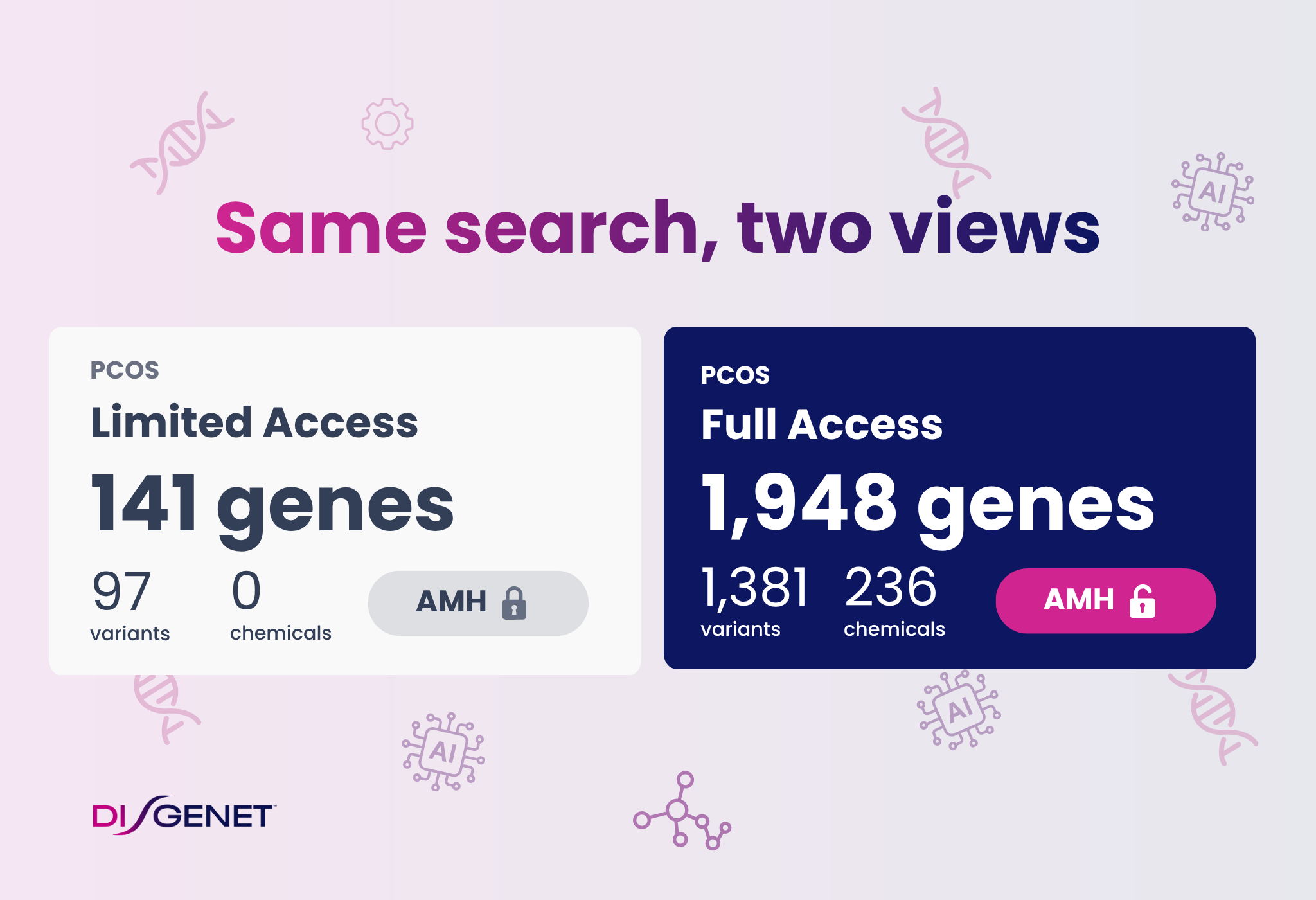
More evidence. Greater depth. More possibilities.
November 18, 2026
The DISGENET free academic license is a good place to start your research. You will know it is time for more when a search comes back with few or no results, a gene you expected is missing, or you want to access evidence from the latest scientific publications. Why upgrade? DISGENET upgraded access gives you […]
-
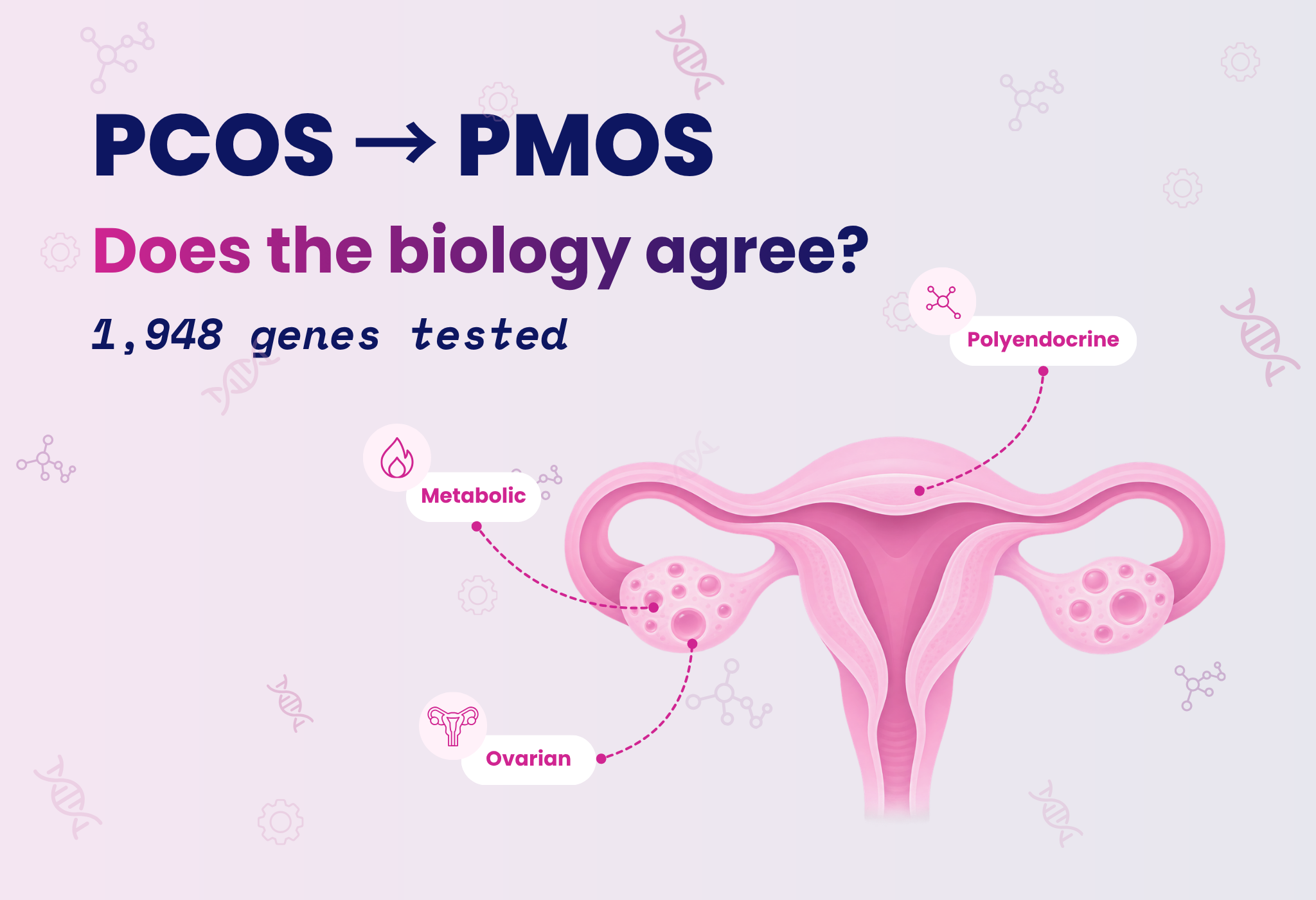
PCOS Is Now PMOS: What the Genetic Evidence Shows
November 18, 2026
When the clinical community redraws the boundaries of a disease, what do gene–disease and variant–disease associations say about where those boundaries sit? We tested PCOS’s new name with genetic evidence in DISGENET. In May 2026, polycystic ovary syndrome got a new name. Polyendocrine metabolic ovarian syndrome, or PMOS, was announced in The Lancet after a […]
-
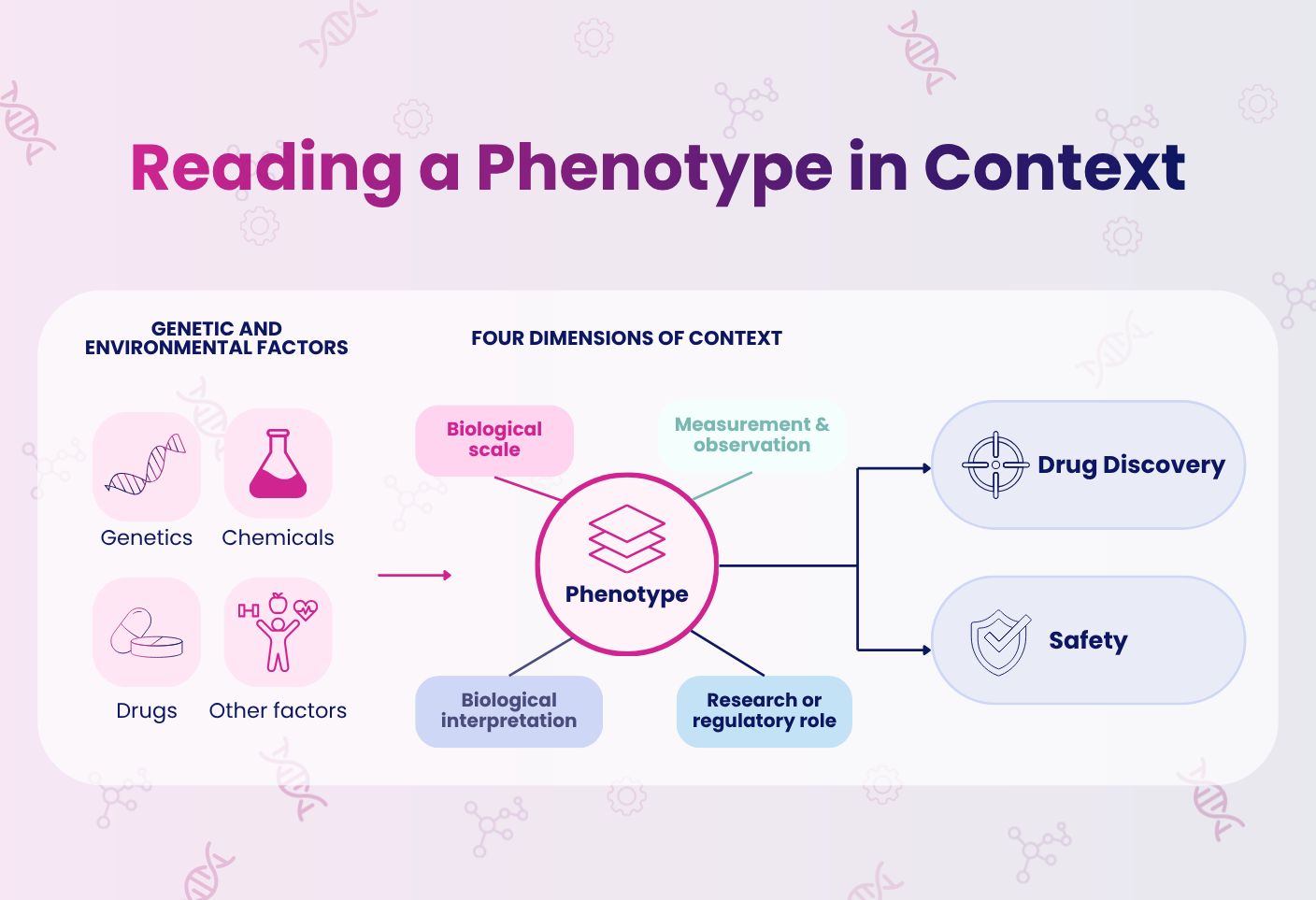
Does Phenotype Context Matter in Drug Discovery and Safety?
November 6, 2026
Elevated ALT, mitochondrial dysfunction, and acute liver failure are all “phenotypes”, but they mean very different things. Here’s why that matters for target discovery and safety assessment. What Is a Phenotype? One Word, Very Different Biology What do elevated liver enzymes, mitochondrial dysfunction, obesity, and acute liver failure have in common? All can be described […]
-
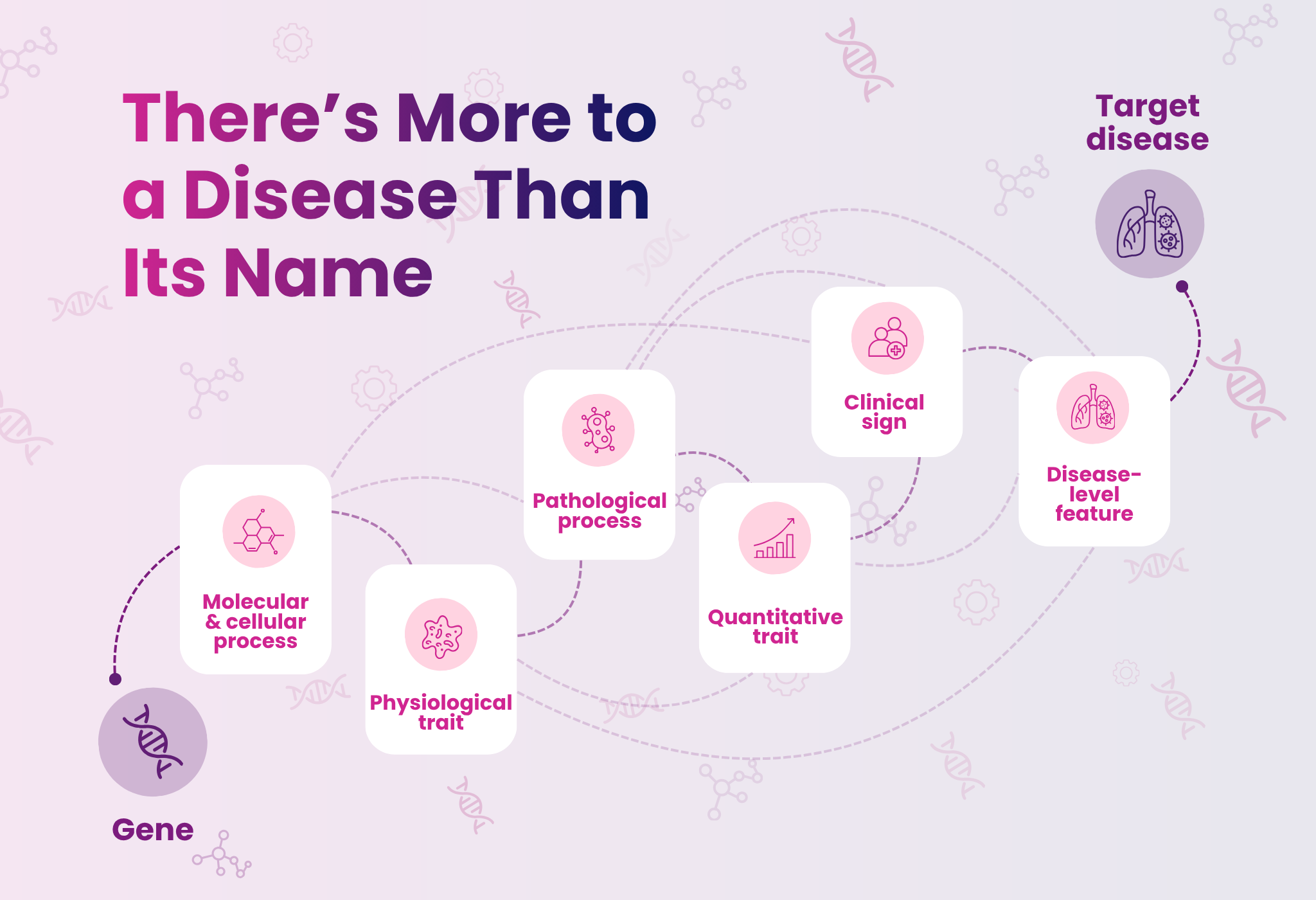
Are We Targeting the Disease or Just the Diagnosis?
October 30, 2026
Drug target discovery often begins with a disease diagnosis. Your team has identified genetic associations, shortlisted candidate genes, and started assessing which targets deserve further investigation. But a diagnosis is not a complete representation of disease biology. Patients with the same condition can have different underlying molecular mechanisms, while diseases classified separately may share genetic […]
-
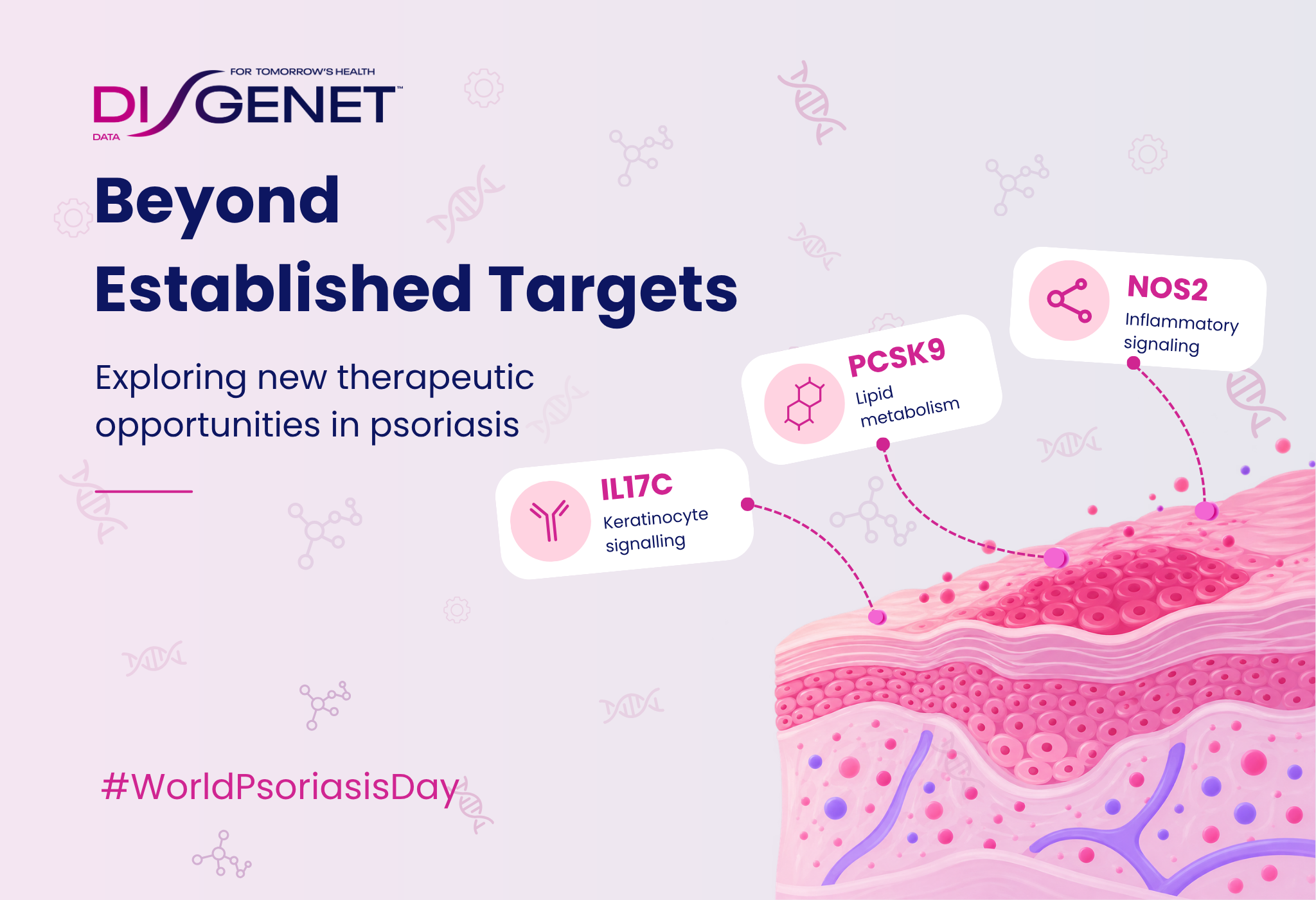
Exploring new therapeutic opportunities in psoriasis
October 29, 2026
Modern psoriasis therapies have transformed patient care. From TNF inhibitors such as etanercept (approved for psoriasis in 2004) and infliximab (2006) to secukinumab (2015, targeting IL17A) and guselkumab (2017, targeting IL23A), advances in understanding disease biology have led to more targeted treatments. Their success raises a question: how can we build on what we already […]
-
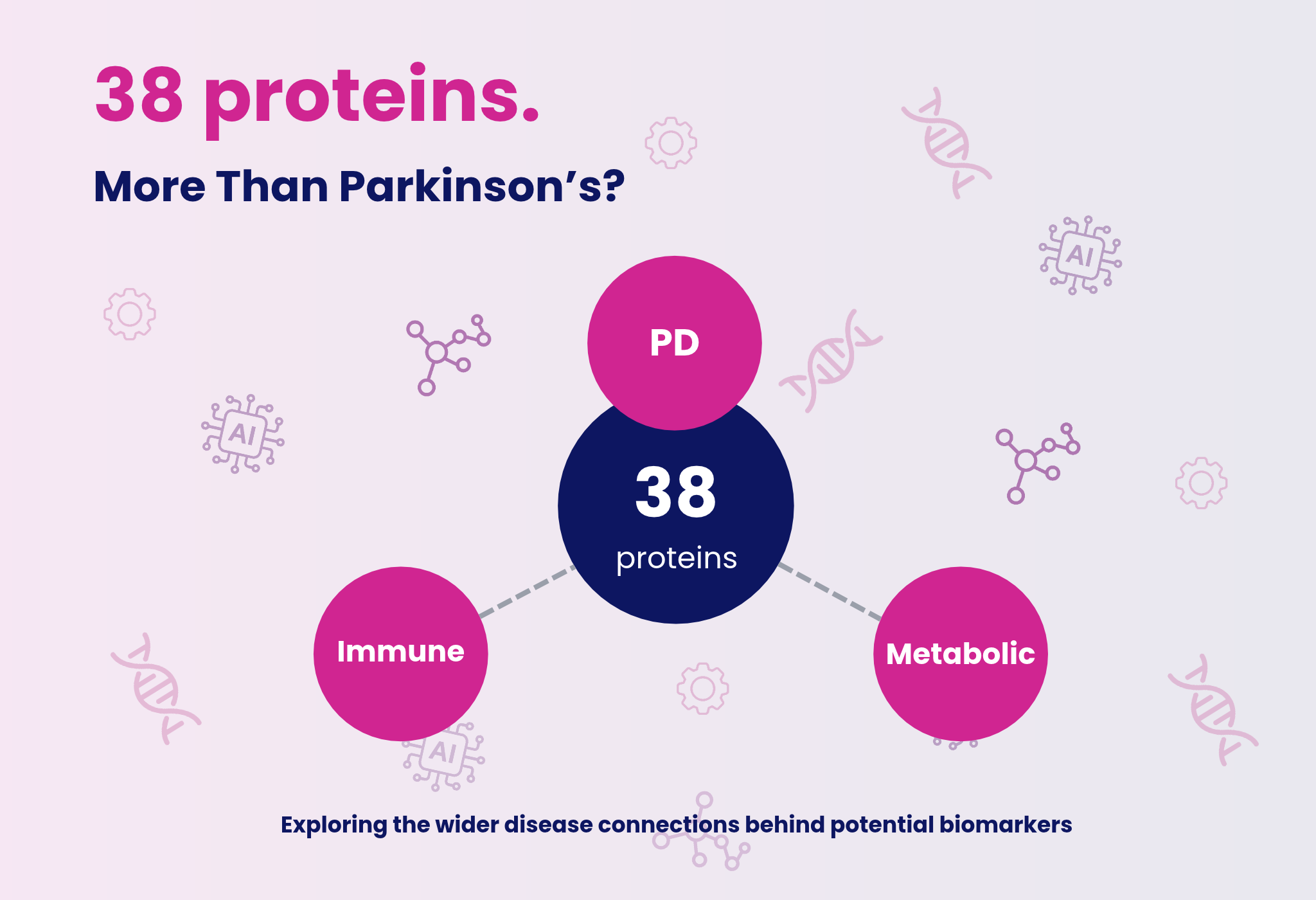
Potential Biomarkers for Parkinson’s Disease: What Else Could They Reveal?
October 19, 2026
What if a blood test could identify people at increased risk of Parkinson’s disease years before diagnosis? Large-scale proteomics studies are bringing that possibility closer. But when we explored 38 proteins associated with future Parkinson’s disease, their strongest disease associations turned out not to be neurological at all. In 2025, Gan and colleagues published a […]
-
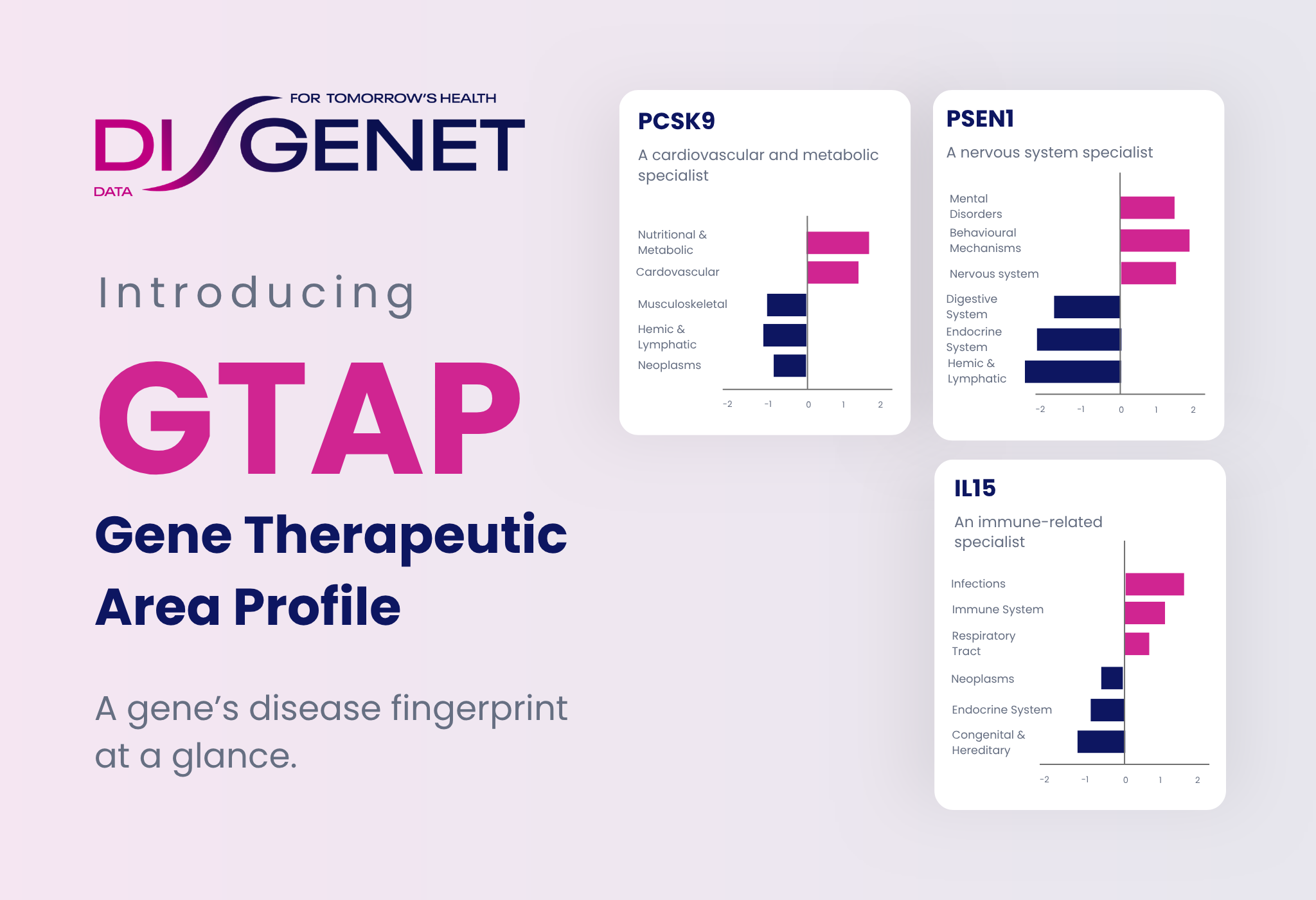
Introducing GTAP: A Gene’s Disease Fingerprint, at a Glance
September 22, 2026
Every gene in DISGENET is linked to one or more diseases or phenotypes — for some genes, just one; for others, hundreds. Scrolling through those associations tells you what a gene is associated with, but not the more interesting question: what kind of disease profile does that gene have? At the extremes, two very different […]
-
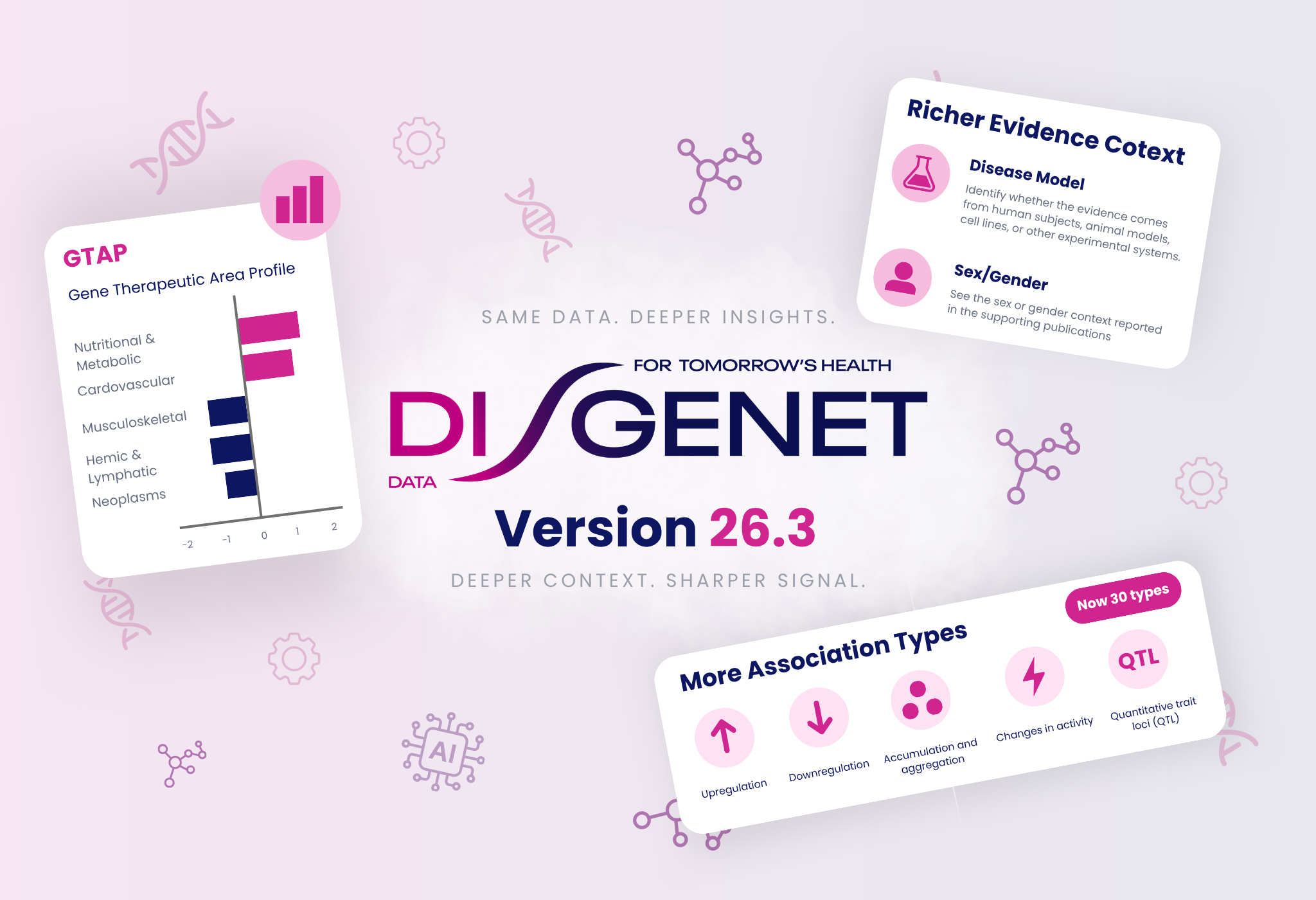
Deeper Context, Sharper Signal: What’s New in DISGENET v26.3
September 22, 2026
In this article, we cover: Every DISGENET release adds new ways to see the biology behind a gene–disease or variant–disease association. v26.3 continues that trend with three additions: a new way to profile a gene’s therapeutic relevance, richer context on the evidence behind each association, and a more precise vocabulary for describing how genes and […]
-

Introducing the DISGENET MCP Connector: Making Our Data Native to AI Agents
July 16, 2026
In this post, we will cover: For more than a decade, DISGENET has given researchers and pharma teams a way to systematically explore gene-disease associations and scores that can be traced back to their evidence. Today, we’re extending that same trusted data to a new kind of user: the AI agent. Researchers are increasingly turning […]
-

A Complete Guide to DISGENET Scores
June 17, 2026
When you search DISGENET, you’re not just retrieving associations; you’re working with evidence. And evidence needs to be weighed, compared, and understood in context. That’s what DISGENET’s scoring metrics are designed to help you do. In this article, we cover: The GDA Score and VDA Score: Your Starting Point The GDA Score (Gene–Disease Association) and […]